7 Mistakes to Avoid When Hiring a Desentupidora Itanhaém
The most common mistake people make when they need a desentupidora Itanhaém is calling the first number they find and accepting a price over the phone without asking what it includes. That single habit explains most of the complaints about blocked drains in this coastal city: surprise fees, incomplete clearing, and a problem that returns within weeks. If you want the job done once, properly, and at a fair price, avoid the seven errors below.
This is a practical review of what actually goes wrong when residents and business owners in Itanhaém hire drain-clearing help. Each point reflects real patterns: how quotes are built, how equipment is chosen, and how emergency calls are handled on the Baixada Santista coast.
1. Choosing a Provider Without Confirming Local Coverage
Itanhaém stretches from dense central streets to beach neighborhoods and hillside areas where access is harder. A company that advertises across São Paulo state may still route your call to a team based two hours away, which means a long wait and a higher call-out fee. The first check is simple: confirm the team actually operates in Itanhaém and knows the local street layout.
Local coverage also affects equipment. Narrow beachfront lots, older buildings with tight inspection boxes, and homes near the sand all need different approaches. A team that works here regularly arrives prepared for these conditions instead of improvising. When you contact a desentupidora Itanhaém SP, ask directly which neighborhoods are served and how long a technician takes to arrive.
What to ask on the first call
- Which areas of Itanhaém do you cover, and is there a travel surcharge?
- How many teams are on the road at night and on weekends?
- Do you have equipment for both small residential lines and larger building mains?
2. Accepting a Phone Quote Without a Written Scope
A price given over the phone is an estimate based on guesses. The technician cannot see the pipe diameter, the blockage depth, or whether roots have entered the line. The mistake is treating that number as final and then discovering that “clearing” meant only the accessible section near the drain.
A proper quote lists what will be done: which points will be cleared, whether a camera inspection is included, how debris is removed, and what happens if the blockage is deeper than expected. Insist on this before work starts. A reputable desentupidora em Itanhaém SP will explain the scope in plain terms and put the price in writing.
Never accept a final price before the technician inspects the actual blockage. That single rule prevents most billing disputes.
3. Ignoring the Difference Between Drain Clearing and Hydro Jetting
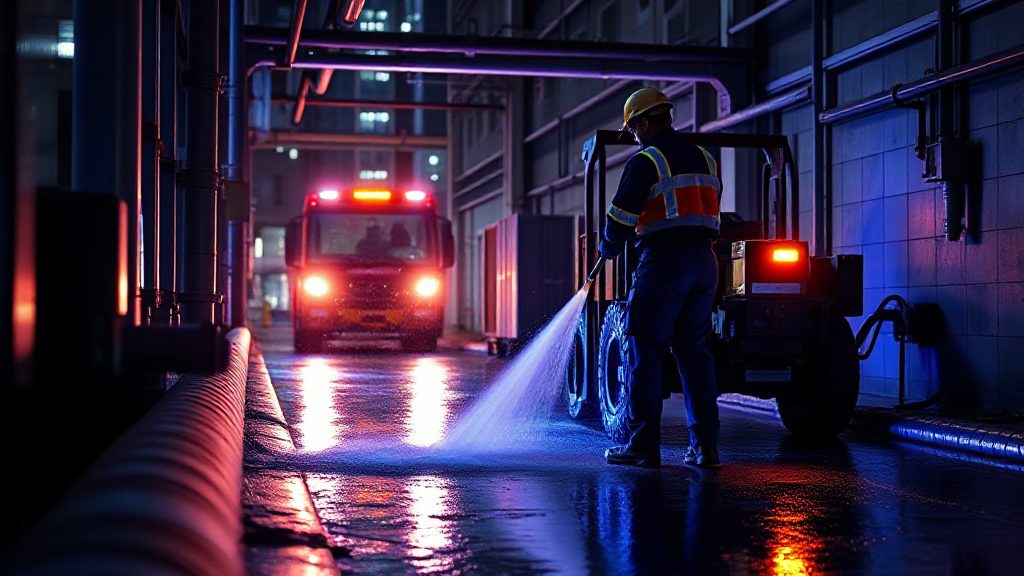
Not every blockage needs the same method. A manual snake or drain auger works for a local clog near a floor drain. Grease buildup, scale, and roots in the main line need high-pressure hydro jetting, which scours the full pipe wall rather than punching a hole through the obstruction.
Choosing the cheaper method on a line that needs jetting is a classic false economy. The drain flows for a few weeks and then blocks again, and you pay twice. Ask which method the team plans to use and why. If they cannot explain the difference, that is a warning sign.
| Method | Best for | Limitation |
|---|---|---|
| Manual snake / auger | Local clogs near drains and sinks | Does not clean pipe walls; roots and grease remain |
| Hydro jetting | Main lines, grease, scale, roots | Requires proper pressure control and access |
| Camera inspection | Diagnosing repeated blockages | Diagnostic only, not a clearing method |
4. Skipping Preventive Maintenance After an Emergency
Most emergency calls are the end of a problem that started months earlier. Once the line is flowing again, the temptation is to forget it. That is the fourth mistake: treating an emergency repair as the whole job instead of the beginning of a maintenance plan.
Preventive service is cheaper than emergency service, and it is far less disruptive for condominiums and restaurants. A scheduled inspection and jetting cycle catches grease buildup and root intrusion before they become a flood. For buildings, this also protects the shared mains that serve every unit.
Signs your property needs scheduled maintenance
- Slow drainage in more than one fixture at the same time
- Recurring odors from drains or inspection boxes
- Gurgling sounds when water runs in another room
- A blockage that returned within the last twelve months
5. Choosing the Cheapest Emergency Call-Out
Emergency pricing is where the market gets murky. A very low call-out fee often hides charges added later: per-meter clearing, disposal fees, or a premium for night work. The cheapest advertised number is rarely the cheapest final invoice.
Compare total cost, not the headline fee. Ask what the final bill includes and whether disposal of removed material is covered. A transparent provider will give you a range and explain the variables. The same logic applies to septic tank cleaning, where volume and access determine the real price.
Emergency work should be priced clearly before the truck arrives, not negotiated on the doorstep at midnight.
6. Letting Unqualified Hands Work on Shared Building Systems
Condominium managers carry a specific risk: a contractor who damages a shared main line creates a problem for every resident. Building systems need documented procedures, proper equipment, and technicians who understand pressure limits and pipe materials.
For síndicos and administrators, the check is about accountability. Confirm the company provides a service record, identifies the technician, and can document what was done in the shared system. This matters for insurance and for resolving disputes between units. A professional desentupidora Itanhaém team will treat shared lines with the same care as a private home.
7. Failing to Prepare Access Before the Team Arrives
The seventh mistake is logistical and entirely avoidable. Technicians lose time when the inspection box is buried, the drain is blocked by furniture, or nobody is available to open the gate. In an emergency, every minute of access delay adds to the damage.
Before the team arrives, clear the area around the affected drain, make sure someone can open gates and doors, and note any previous repairs or known pipe problems. If the property has a septic tank, confirm its location and last cleaning date. This preparation shortens the job and often reduces the final cost.
A quick pre-visit checklist
- Clear access to drains, inspection boxes, and the tank lid.
- Have someone on site who can authorize the work.
- Gather any past service records or building plans.
- Note when the problem started and which fixtures are affected.
Practical Closing: Book the Inspection, Not Just the Unclogging
If you take one action from this review, make it this: request an inspection and a written scope before you approve any clearing work. That single step separates a proper job from a temporary fix. It also gives you a baseline for future maintenance, which is what prevents the next emergency.
For residents, landlords, and building managers in Itanhaém, the right provider is the one that explains the method, documents the work, and prices the whole job rather than the visible symptom. Start with a clear conversation, confirm local coverage, and insist on written terms. The drain will thank you later.
Frequently Asked Questions
How quickly can a team arrive in an emergency in Itanhaém?
Arrival time depends on the neighborhood and the time of day. Central areas and major access roads are usually reached faster than hillside or remote beach locations. When you call, ask for an estimated arrival window and confirm whether night and weekend service carries a different rate.
Does hydro jetting damage older pipes?
When pressure is properly controlled and the technician inspects the line first, hydro jetting is safe for most pipe materials. The risk comes from using excessive pressure on fragile or already-damaged pipes. A professional team checks the pipe condition before choosing the pressure level.
How often should a septic tank be cleaned?
Frequency depends on tank size, household size, and usage. A common guideline is every one to three years, but heavy use or frequent blockages may require more frequent service. Ask for an inspection to determine the actual sludge level rather than guessing by calendar alone.
Can a condominium schedule preventive maintenance?
Yes, and it is usually the most cost-effective option for buildings. A scheduled inspection and jetting cycle for shared mains reduces emergency call-outs and protects the system for all residents. Managers should request documentation of each service visit.